Yellow Rabbit Font: A Friendly Typeface for Small Brands
I still remember the afternoon I sat in my local coffee shop, staring at a stack of plain white business cards. They were functional, sure, but they lacked soul. As a creative consultant who works with small businesses, I know that first impressions are often visual before they are verbal. The owner of the shop, a talented barista named Sarah, was struggling to convey the warmth of her community-focused brand through her digital presence and packaging. She needed something that felt approachable, handmade, and genuinely happy. That is when I introduced her to Yellow Rabbit.
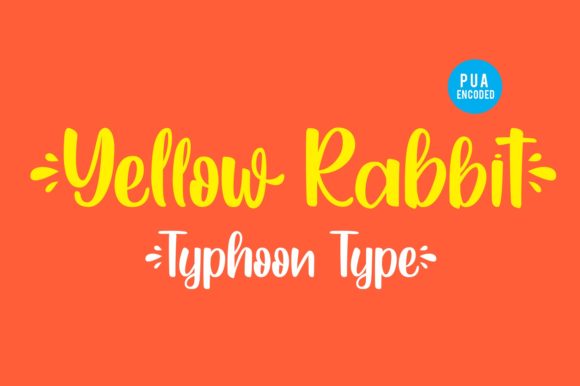
This premium font from Script Amp is not just another addition to your library; it is a tool for building connection. Yellow Rabbit is a cute and casual handwritten font with an incredibly friendly feel. It bridges the gap between professional polish and personal touch, making it ideal for entrepreneurs who want their brand identity to feel like a handshake rather than a contract.
Why Personality Matters in Modern Typography
In the world of brand identity, typography does the heavy lifting. While colors evoke emotion, fonts dictate tone. A stiff, geometric sans serif font might communicate efficiency, but it rarely whispers "welcome." On the other hand, a messy script can sometimes sacrifice readability for style. Yellow Rabbit strikes a delicate balance. It possesses the organic flow of a handwritten font but maintains enough structure to remain legible across various mediums.
When we refreshed Sarah’s branding, we used Yellow Rabbit for her menu headers and social media graphics. The result was immediate. Customers commented on how "inviting" the new look felt. This is the power of choosing the right typeface. It transforms static text into a voice. For small business owners, this means your logo design, product labels, and thank-you cards all speak with a consistent, warm accent. It builds trust because it feels human.
Practical Applications for Everyday Business Materials
You might be wondering where exactly this creative font fits into your daily operations. Based on my experience testing it across several client projects, Yellow Rabbit shines in contexts that require a personal touch. Here are some realistic ways to integrate it into your workflow:
- Packaging Design: Imagine a small batch candle maker using Yellow Rabbit for the scent name on a minimalist label. The casual strokes contrast beautifully with clean product details, making the item feel artisanal and special.
- Social Media Graphics: For Instagram stories or Pinterest pins, this font acts as a perfect headline. It grabs attention without shouting, ideal for announcing sales, sharing quotes, or highlighting customer testimonials.
- Greeting Cards and Thank-You Notes: Including a handwritten note in every shipment is a great practice, but printing them saves time. Using Yellow Rabbit for printed thank-you cards maintains that personal sentiment while ensuring consistency.
- Logo Design: For boutiques, bakeries, or coaching brands, this font works well as a primary logotype. It is distinctive enough to be memorable but simple enough to scale down for social media avatars.
The versatility of Yellow Rabbit makes it a staple for anyone involved in editorial design or web design who wants to soften the corporate edge. It is particularly effective for short phrases, logos, and display text where character matters more than dense information density.
Readability and Design Best Practices
While Yellow Rabbit is undeniably charming, responsible design requires us to consider readability. As a display font, it performs best at larger sizes. When using it for product labels or mobile screens, ensure there is ample spacing around the letters. Do not crowd it with complex backgrounds. The friendly loops and tails need room to breathe.
For longer body text, such as ingredient lists or terms of service, pair Yellow Rabbit with a clean, neutral sans serif font or a classic serif font. This font pairing strategy creates visual hierarchy. Let Yellow Rabbit handle the emotional hook—the title, the greeting, the brand name—while a simpler typeface handles the informational load. This combination ensures your design assets remain accessible to all customers, including those viewing your content on small devices.
Consider the context of use. If you are designing a flyer for a community event, Yellow Rabbit can serve as the main header, drawing the eye immediately. However, for a detailed menu with dozens of items, reserve it for category titles only. This prevents visual fatigue and keeps the user experience smooth.
Building a Consistent Visual Language
Consistency is the cornerstone of recognition. When a customer sees your Instagram post, visits your website, and then receives your package, the experience should feel seamless. Using Yellow Rabbit across these touchpoints creates a cohesive narrative. It signals that you care about the details. Whether you are a handmade seller updating your Etsy banners or a café owner refreshing your chalkboard specials, this font provides a unified aesthetic.
Moreover, the mood of Yellow Rabbit aligns perfectly with current trends in modern typography that favor authenticity over perfection. Consumers are increasingly drawn to brands that feel real and relatable. A font that mimics the natural variation of handwriting helps achieve this effect without the inconsistency of actual penmanship. It is a smart shortcut for busy entrepreneurs who need high-quality visuals quickly.
Technical Considerations for Commercial Use
Before integrating any new commercial font into your business, it is essential to review the technical specifications. Check the included styles and file formats to ensure compatibility with your design software. Look for features like alternates or ligatures if you want to add unique flair to specific letters. Additionally, always verify the licensing terms. Ensure that the license covers your intended use, whether that is digital ads, printed merchandise, or client work. Script Amp typically provides clear guidelines, but due diligence protects your business from legal issues.
Also, consider multilingual support if you plan to expand your reach. A robust typeface should accommodate various characters to maintain brand integrity across different markets. While Yellow Rabbit is primarily designed for English and Latin-based scripts, checking its glyph set will help you plan for future growth.
In conclusion, Yellow Rabbit is more than just a set of letters. It is a strategic asset for small businesses aiming to stand out in a crowded marketplace. By combining warmth with professionalism, it helps create a brand identity that customers want to engage with. Whether you are designing a new logo, updating your packaging, or crafting social media content, this font offers the friendly appeal necessary to turn casual viewers into loyal customers. Embrace the personality it brings to your projects, and watch your brand come to life.